App Integrations: Linking Slot Reels with Live Table Dynamics in Player Experiences
Written by Drew Becker · Aug 20, 2026
App Integrations: Linking Slot Reels with Live Table Dynamics in Player Experiences
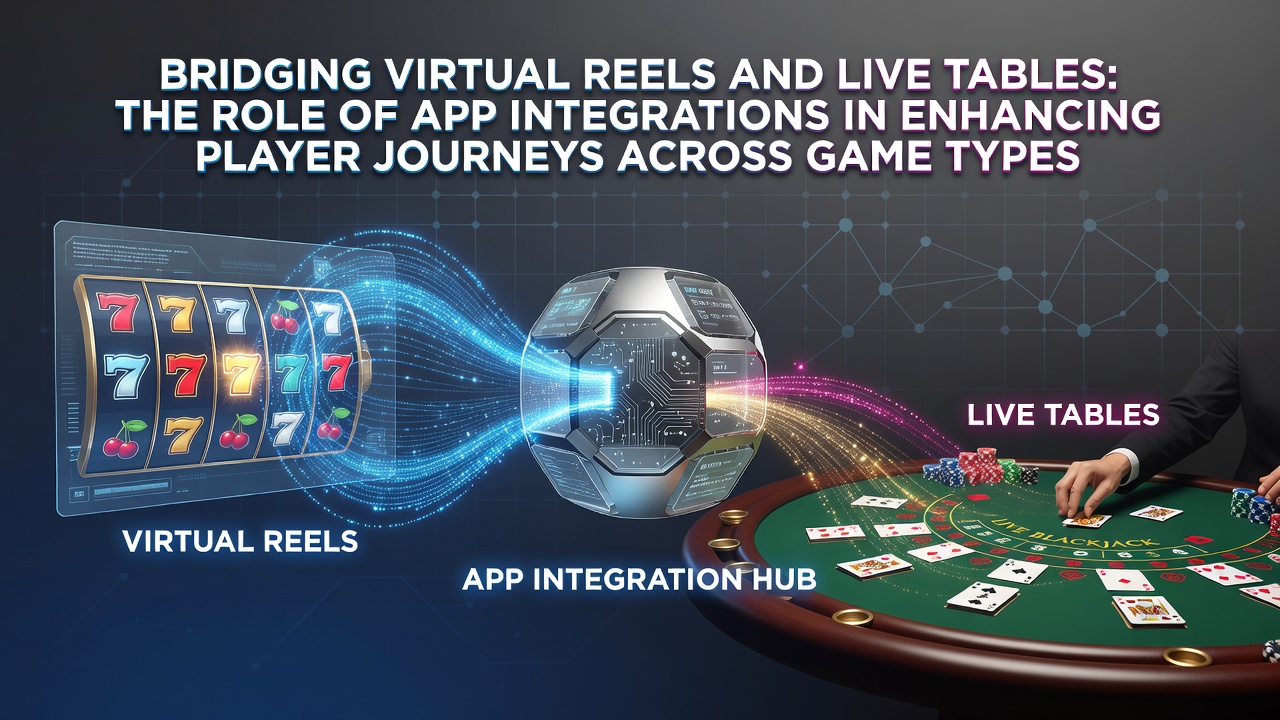
App integrations now allow players to move between virtual slot reels and live dealer tables without separate logins or disrupted sessions, and industry reports highlight how these connections rely on shared backend systems that track balances, preferences, and progress across game formats. Data from the American Gaming Association shows integrated platforms recorded higher session continuity rates during 2025 testing phases, while developers refined APIs to handle real-time handoffs between automated reels and streamed table environments.
Unified wallets form the core mechanism, since a single account balance updates instantly whether a player spins digital reels or places chips on a live roulette wheel. Observers note that payment processors embedded in these apps reduce friction by processing deposits and withdrawals through the same interface, which in turn supports continuous play across categories. In August 2026 several major operators expanded these wallet features to include instant cross-game transfers, allowing funds won on slots to fund live table buy-ins within seconds.
Shared Reward Structures Across Formats
Bonus systems tied to app integrations often carry progress from one game type to another, so multipliers earned on slot sessions can apply directly to live blackjack hands. Researchers at the University of Nevada, Las Vegas documented cases where loyalty points accumulated through reel spins converted automatically into table-game comps, and this linkage increased overall platform retention metrics according to internal operator logs. Players therefore encounter fewer barriers when exploring different game categories, because the integration layer manages eligibility rules without requiring manual claims.
Push notifications further tie these experiences together by alerting users to live table availability while they remain engaged with virtual reels, and the timing algorithms draw on historical play data to suggest transitions at natural break points. This approach keeps activity within the same ecosystem rather than directing users toward external sites or separate downloads.
Interface Design and Navigation Patterns
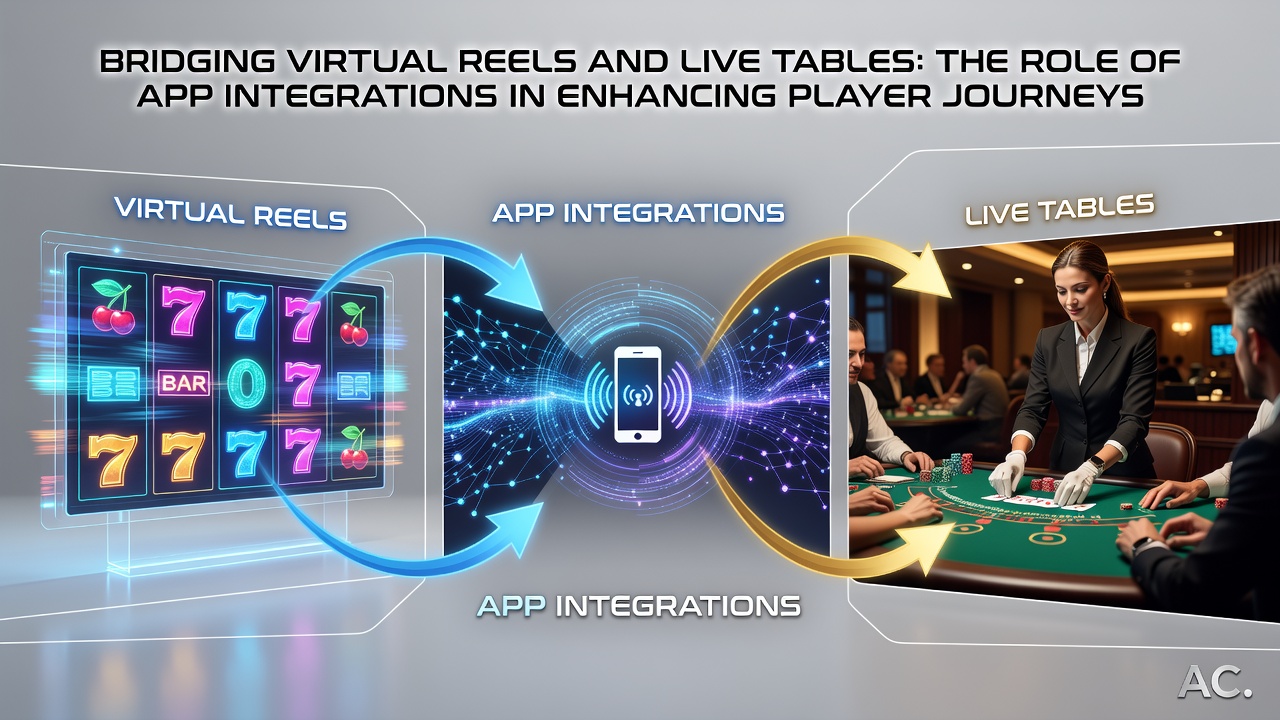
Design teams have introduced gesture-based controls and persistent navigation bars that let users toggle between slot lobbies and live dealer rooms without closing the current session, while data overlays display current table limits and dealer statistics alongside reel spin histories. Studies from the European Gaming and Betting Association indicate that such interface continuity reduced average transition time by measurable percentages in controlled trials conducted through 2025. The layout keeps critical information visible across both game types, so balance, active bonuses, and support access remain consistent regardless of the active screen.
Backend synchronization also handles game-state preservation, meaning a paused slot session resumes exactly where it left off even after a player spends time at a live table. This capability stems from cloud-stored session tokens that update across devices, allowing seamless continuation on mobile or tablet without data loss.
Security and Compliance Layers
App integrations incorporate encryption protocols that protect data flows between slot servers and live streaming endpoints, and regulatory frameworks in multiple jurisdictions require these measures to maintain player account integrity. In regions outside the United Kingdom, licensing bodies such as the New Jersey Division of Gaming Enforcement have reviewed integration standards to ensure fair outcome reporting remains consistent when players switch formats mid-session. Developers therefore embed audit trails that log every transition, providing verifiable records for compliance checks.
Authentication remains centralized, so biometric logins or PIN verification grant access to both reel and table sections without repeated identity checks. This structure supports responsible gaming tools that apply uniformly, including session timers and spending limits that span all integrated game types.
Future Developments in Cross-Game Connectivity
Emerging updates scheduled for late 2026 focus on deeper personalization through machine learning models that analyze combined play patterns across slots and live tables, then adjust recommendations accordingly. Operators have begun testing augmented reality overlays that appear during live dealer sessions and reference recent slot activity, creating visual continuity between the two formats. These advancements build directly on existing API frameworks already deployed in major platforms.
Conclusion
App integrations continue to evolve the technical pathways that connect virtual reels to live tables, and the resulting player journeys reflect coordinated systems for accounts, rewards, interfaces, and compliance. Data from industry associations and academic sources demonstrates measurable improvements in session flow and retention where these integrations operate at scale. As operators refine these connections through 2026 and beyond, the emphasis remains on maintaining secure, consistent experiences across game categories without introducing separate friction points.