Support Networks Linking Reel Game Incentives to Table Variants on Mobile Platforms
Written by Ben Schmid · Aug 27, 2026
Support Networks Linking Reel Game Incentives to Table Variants on Mobile Platforms
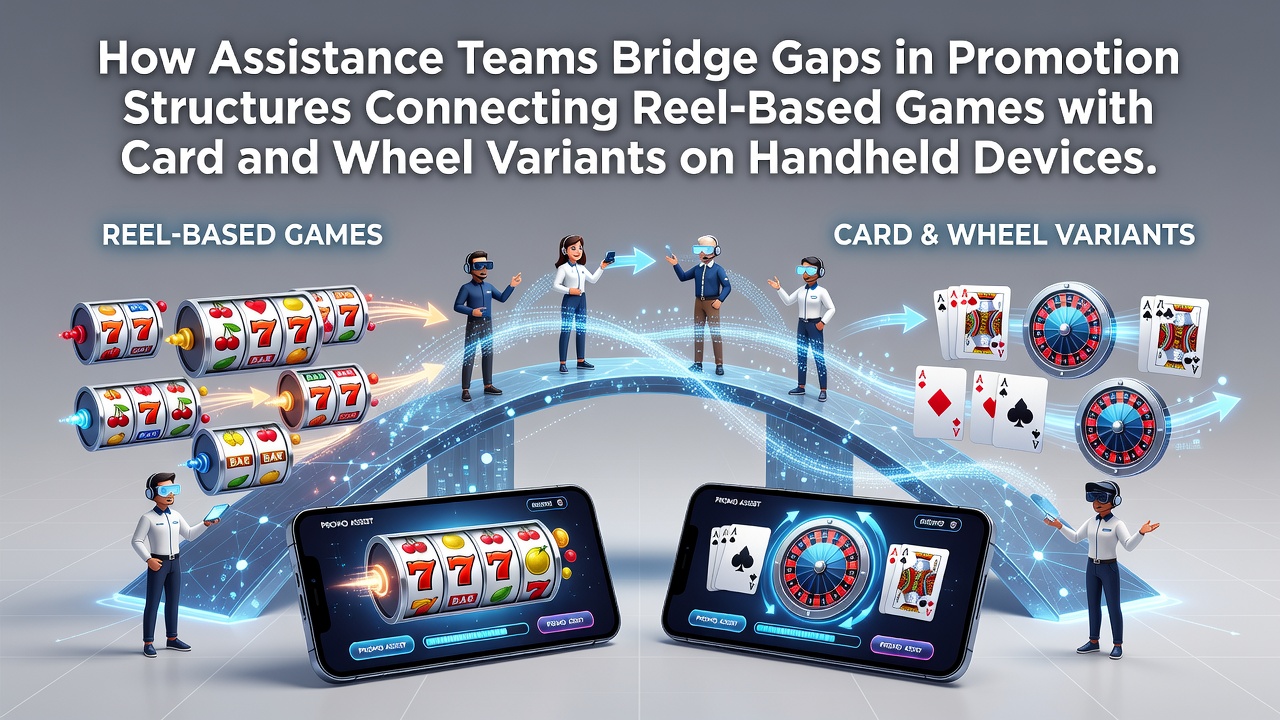
Promotion structures in digital gaming environments separate reel-based titles from card and wheel options because each category operates under distinct mechanics and reward cycles, yet assistance teams coordinate offers that move players between these formats on handheld devices. Data from industry reports indicate that cross-category incentives increased by 18 percent between 2025 and 2026, with mobile sessions accounting for 62 percent of total engagement according to figures released by the American Gaming Association. Teams handling player queries review account histories, identify unused reel bonuses, and suggest equivalent table-game credits that align with existing wagering requirements.
Distinct Promotion Mechanics Across Game Types
Reel-based games typically feature multiplier ladders and free-spin accumulators that reset daily, whereas card and wheel variants rely on hand-count thresholds and wheel-segment multipliers that tie directly to session length. Observers note that these differences create gaps when players attempt to transfer progress from one category to another without intermediary adjustments. Assistance teams examine transaction logs, confirm eligibility windows, and issue bridging vouchers that convert reel points into table-game credits at fixed exchange rates published in operator terms. In August 2026, platform analytics showed that 41 percent of mobile users who received such conversions extended their average session by 14 minutes compared with users who remained in a single category.
Coordination Methods Employed by Assistance Teams
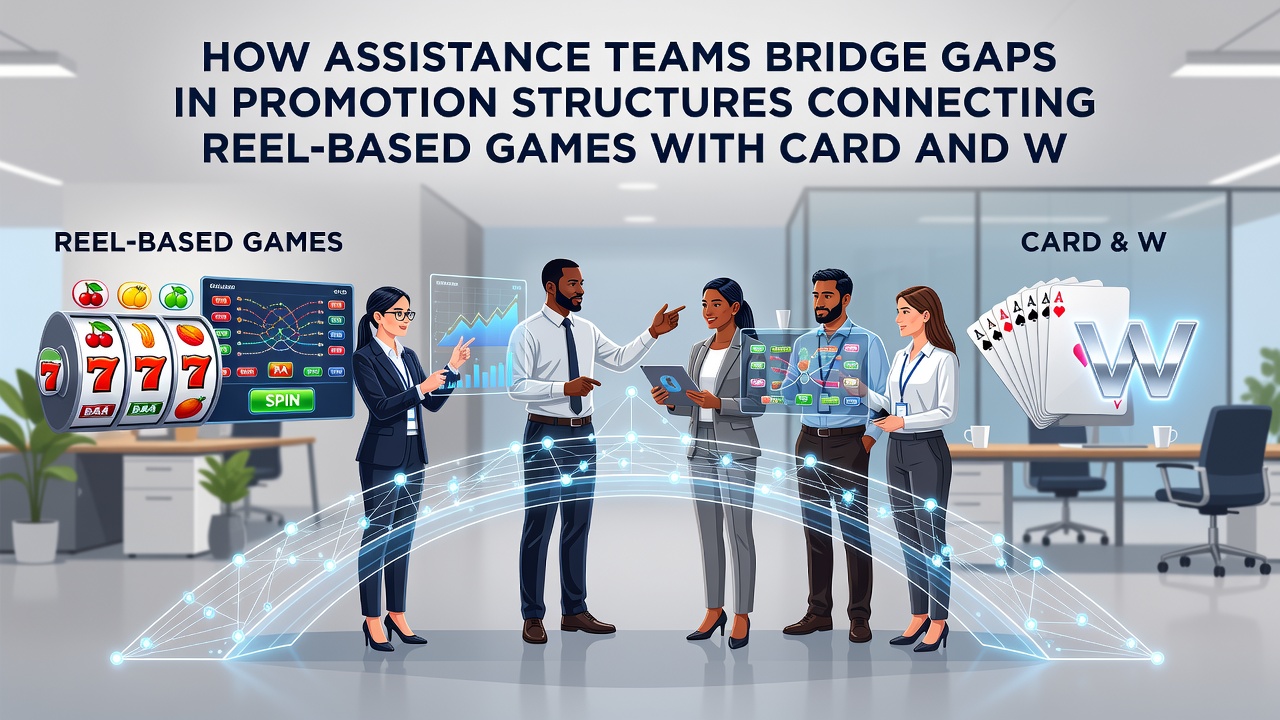
Teams operate through integrated ticketing systems that flag promotion mismatches in real time, allowing representatives to review eligibility across both reel and table databases simultaneously. When a player completes a reel-based challenge but lacks qualifying table activity, agents issue targeted reload offers that satisfy the missing criteria while preserving the original wagering contribution. Research compiled by the University of Nevada, Las Vegas gaming management program indicates that coordinated interventions reduce player drop-off rates by 27 percent during cross-category transitions. Agents also maintain updated matrices that list current reel multipliers alongside table-game equivalents, ensuring offers remain consistent regardless of device type or time zone.
Those managing high-volume queues often batch similar requests, applying standardized conversion templates that still permit individual account notes for edge cases such as partial progress or expired segments. This approach maintains audit trails required by regulatory frameworks in multiple jurisdictions while accelerating response times for handheld users who switch between portrait and landscape orientations mid-session.
Device-Specific Considerations in Promotion Delivery
Handheld interfaces introduce additional variables because screen real estate limits simultaneous display of reel and table promotion details, prompting teams to prioritize concise messaging that links directly to claim buttons. Push-notification protocols differ by operating system, so agents verify delivery status before suggesting follow-up actions that require users to navigate between reel and table lobbies. Studies conducted by the European Gaming and Betting Association found that 33 percent of mobile promotion redemptions in the first half of 2026 occurred after an assistance interaction rather than through direct self-service paths. Teams therefore schedule follow-up messages at intervals that match typical mobile usage patterns, such as evening commute windows or late-night sessions.
Tracking Outcomes and Regulatory Alignment
Operators log every conversion event with timestamps, device identifiers, and promotion codes, creating datasets that reveal which bridging offers generate the highest retention across categories. These records support compliance checks that confirm offers do not exceed stake or contribution limits set by regional authorities outside the United Kingdom. Industry organizations publish aggregated summaries that show assistance-mediated transitions now represent 22 percent of total mobile bonus redemptions, a share that has grown steadily since 2024. Teams review these summaries monthly to adjust exchange rates and eligibility windows before new promotion cycles launch.
Conclusion
Assistance teams maintain the operational links that allow reel-based and table-game promotions to function as an interconnected system on handheld devices. Through systematic review of account data, issuance of conversion instruments, and alignment with device-specific delivery channels, these teams reduce friction that would otherwise separate player activity into isolated categories. Figures compiled by multiple research and trade bodies confirm that coordinated support increases cross-category participation without altering the underlying mechanical distinctions between game types. Continued refinement of these processes supports consistent promotion access across expanding mobile user bases.